
Library
How technology, markets, and modern software actually work. Visual breakdowns and practical explanations from Travis Raymond covering AI, developer tools, infrastructure, prediction markets, and emerging technology.

Showing all 15 articles

Will AI Really Cause 50% Unemployment? I Checked the Data
Testing Mo Gawdat’s warning of 50% AI unemployment against U.S. Bureau of Labor Statistics data, Stanford’s entry-level hiring research, O-Ring automation economics, and physical grid limits.

Google Playground: Can You Actually Make a Fun Game?
I built four browser games in Google Labs Playground—from a 2D platformer and Minecraft clone to Rocket League and Call of Duty Zombies—to test whether prompt-to-game generation actually produces fun gameplay.

Grok Bot Is the Easiest Way to Use Cursor
How persistent Grok Bots running in cloud environments can coordinate coding agents like Cursor, build missing software integrations, and run a play-feedback-build loop in plain English.

How to Make a 3D Website with GPT-6 Astra & Blender
Testing an end-to-end agentic pipeline using Google Flow, GPT-6 Astra computer use in Blender, and Antigravity 2.0 to build a scroll-driven Three.js and GSAP 3D website.
VS Code AI Agent Setup 2026: Claude Code, Codex & Antigravity
How to configure Visual Studio Code in 2026 to run Claude Code, OpenAI Codex, and Google Antigravity safely using AGENTS.md, VS Code Profiles, Git worktrees, and Figma MCP.
Google Antigravity 2.0: The Harness You're Not Using (Yet)
A complete breakdown of Google Antigravity 2.0: workspace permission scoping, progressive SKILL.md disclosure, /goal and /learn workflows, Chrome DevTools browser QA, background schedules, and mobile control.
The Trap of Building Everything With AI
When AI coding agents make prototyping nearly free, builders run into the infinite possibility trap: spinning up twelve half-finished projects at once instead of pushing vertical ambition on one real problem.
How to Set Up VS Code for Web and AI App Building
A practical VS Code setup for modern web development and AI-assisted coding, including Git, the integrated terminal, extensions, profiles, settings sync, and MCP-connected tools.

How AI Is Really Being Paid For
AI infrastructure is being funded through hyperscaler cash flow, corporate debt, leases, private credit, joint ventures, and long-term customer commitments. Here is how the financing behind the AI buildout actually works.

How Prediction Markets Actually Work
A practical guide to how prediction markets like Kalshi and Polymarket work, how prices translate into probabilities, how contracts settle, and where traders can misread the market.
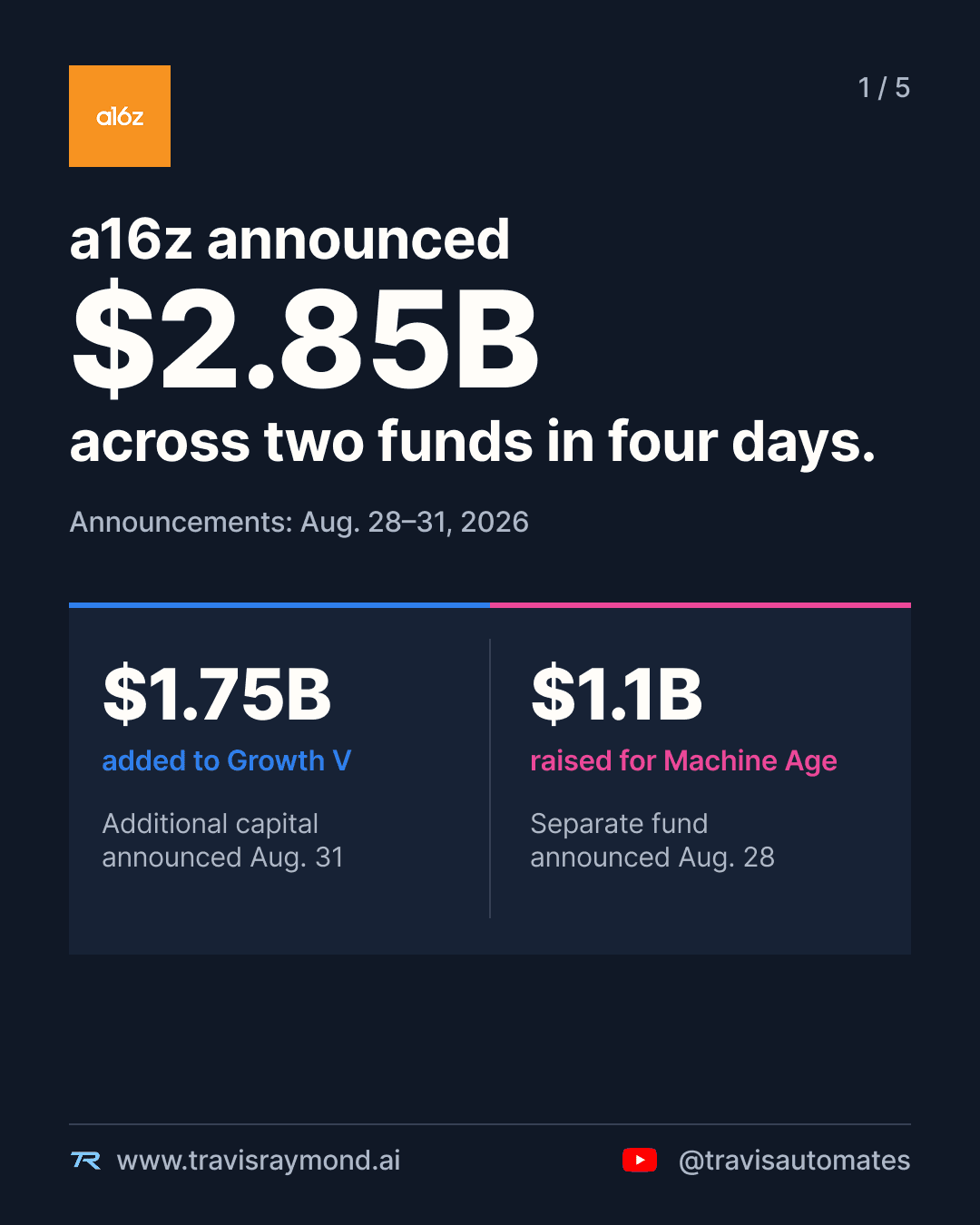
Why a16z Just Raised $2.85B Across AI Infrastructure and Growth
Andreessen Horowitz announced $2.85 billion across two funds in four days: $1.1 billion for the Machine Age Fund and $1.75 billion added to Growth V. The split shows how capital is moving toward both AI infrastructure and later-stage company scale.
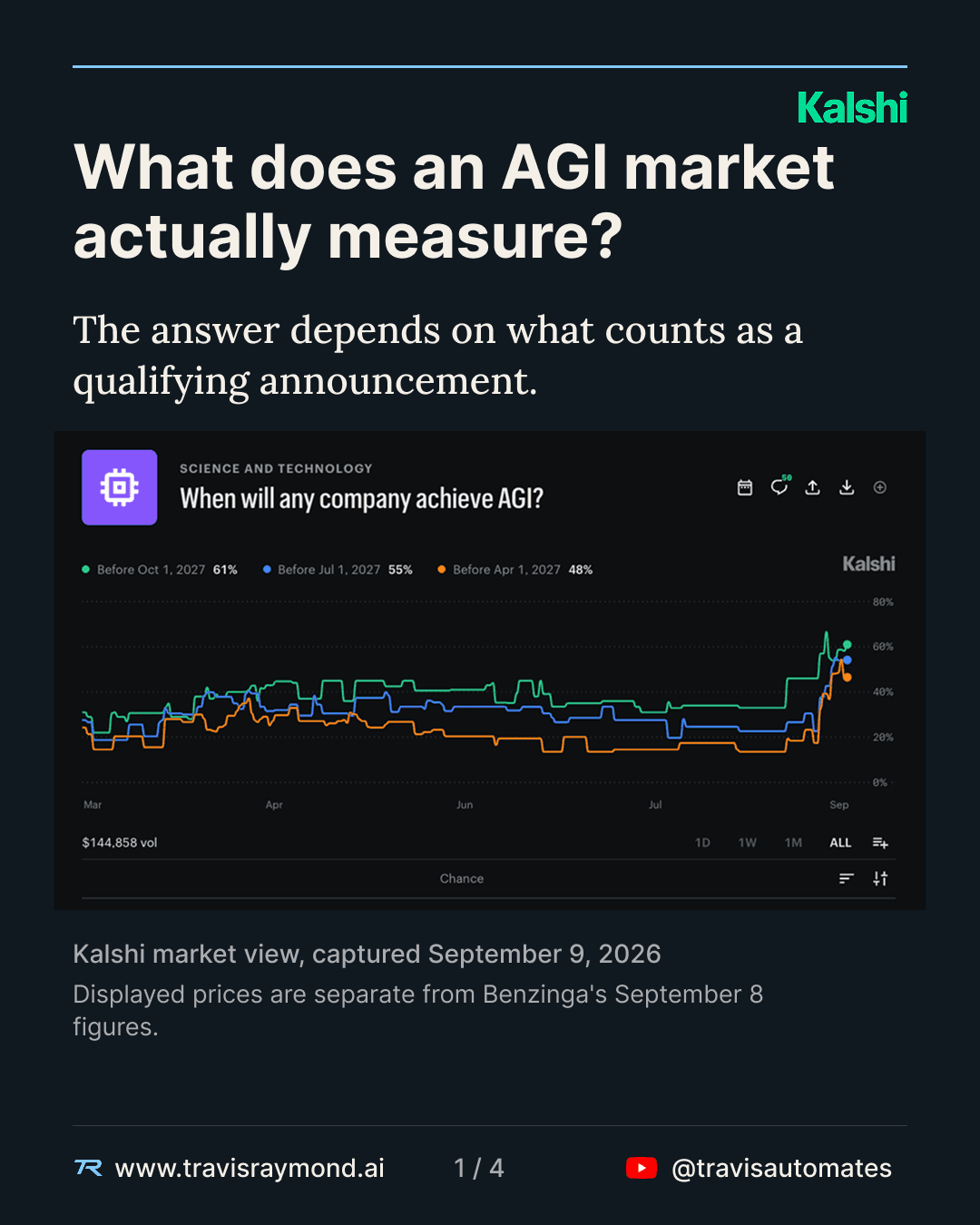
What Kalshi's AGI Market Actually Measures
Kalshi's AGI prediction market does not simply ask whether AGI exists. It resolves on a qualifying company announcement under specific contract rules. Here is how to read the market correctly.
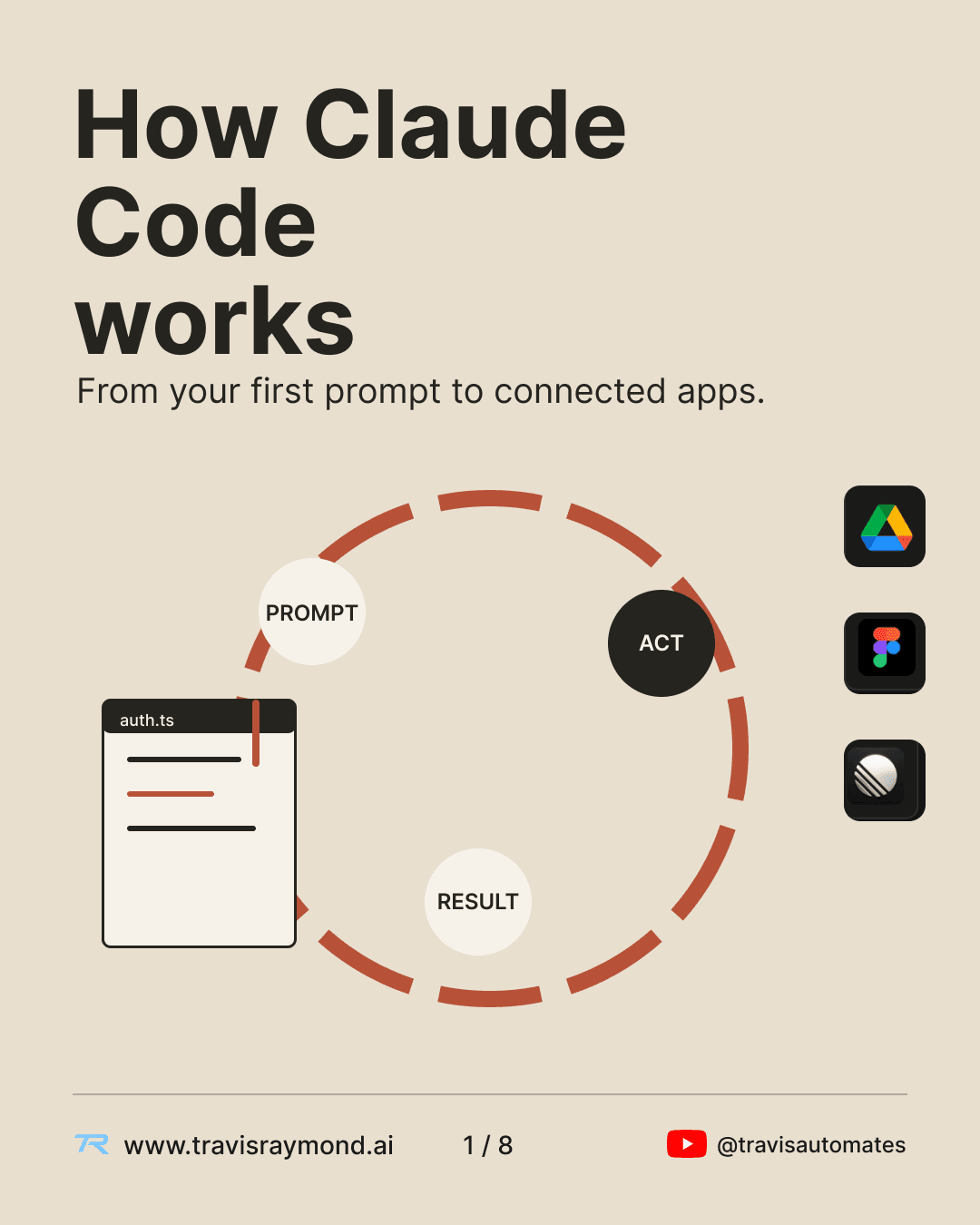
How Claude Code Actually Works
Claude Code can read a codebase, edit files, run commands, work through an agentic loop, connect to outside tools with MCP, and continue across local, cloud, and mobile workflows. Here is how the pieces fit together.
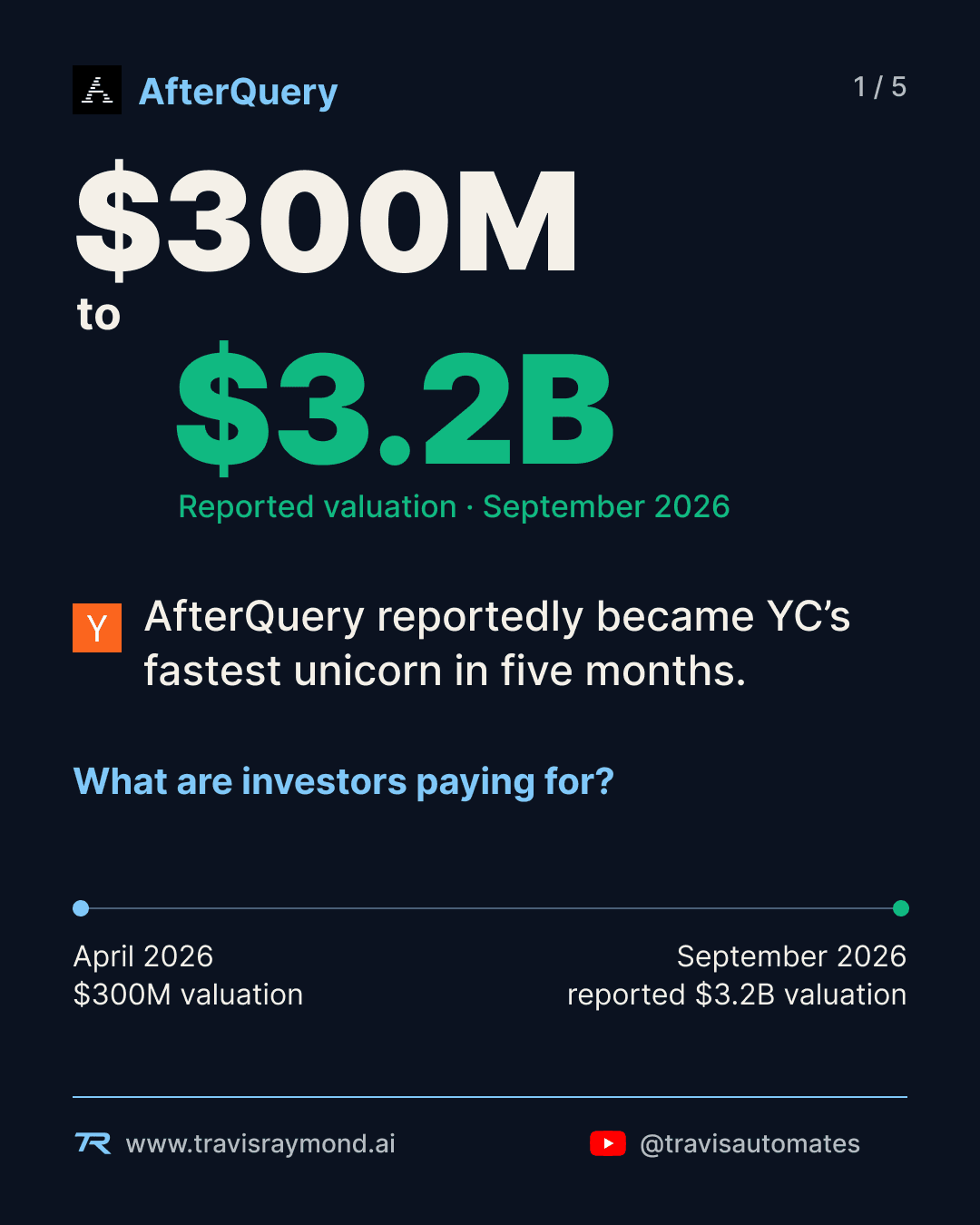
AfterQuery: Why Expert Work Is Becoming AI Training Data
AfterQuery turns expert workflows into training and evaluation data for AI models. Its reported rise from a $300 million valuation to $3.2 billion shows how valuable human judgment has become in the race to improve reasoning models.